When it comes to the production of food, the consumer always expects the product he or she loves to have the same taste. No matter whether it is a blend of seasonings, snacks, sauces, or ready-made dishes, any variation in the taste might influence the consumer’s perception. Thus, achieving uniformity of flavor is one of the toughest challenges for food manufacturers.
What Makes Flavour Consistency Difficult in Food Manufacturing?
Several factors affect flavour uniformity, including the type of ingredients used, processing parameters, and storage. While it is possible for a company to adhere to the same formula while manufacturing its products, slight differences in ingredients or processes will have an impact.
Fluctuations in the Composition of Natural Ingredients
Flavor, smell, color, and effectiveness of natural ingredients can fluctuate based on a number of factors, including the source of ingredients, time of year, storage environment, and processing. Such fluctuations can affect the flavor of the product.
Exact Quantity of Ingredients
Variations in the amount of spices, seasonings, flavoring agents, or any other ingredients can lead to variations in the flavor of the final product.
Production Methods
Production methods such as temperature, time of cooking, mixing, and so forth can all affect flavor. Fluctuations in production methods could lead to variations in the product.
Storage
The storage process can affect the flavor because of exposure to heat, moisture, air, and light
How Can Manufacturers Improve Flavour Consistency?
Food manufacturers can take several steps to achieve a more consistent flavour profile across production batches.
Standardize Recipes and Production Processes
Detailed recipes, proper measurements, and standard production processes can contribute to minimizing variations. Standard Operating Procedures may also guarantee that various production crews employ the same production process.
Follow Strict Quality Control Practices
Regular testing of the raw materials as well as the final product may help identify any variations in the product prior to its release to the market. This practice may be implemented right from the beginning stages through the processing and blending stages up to the final product.
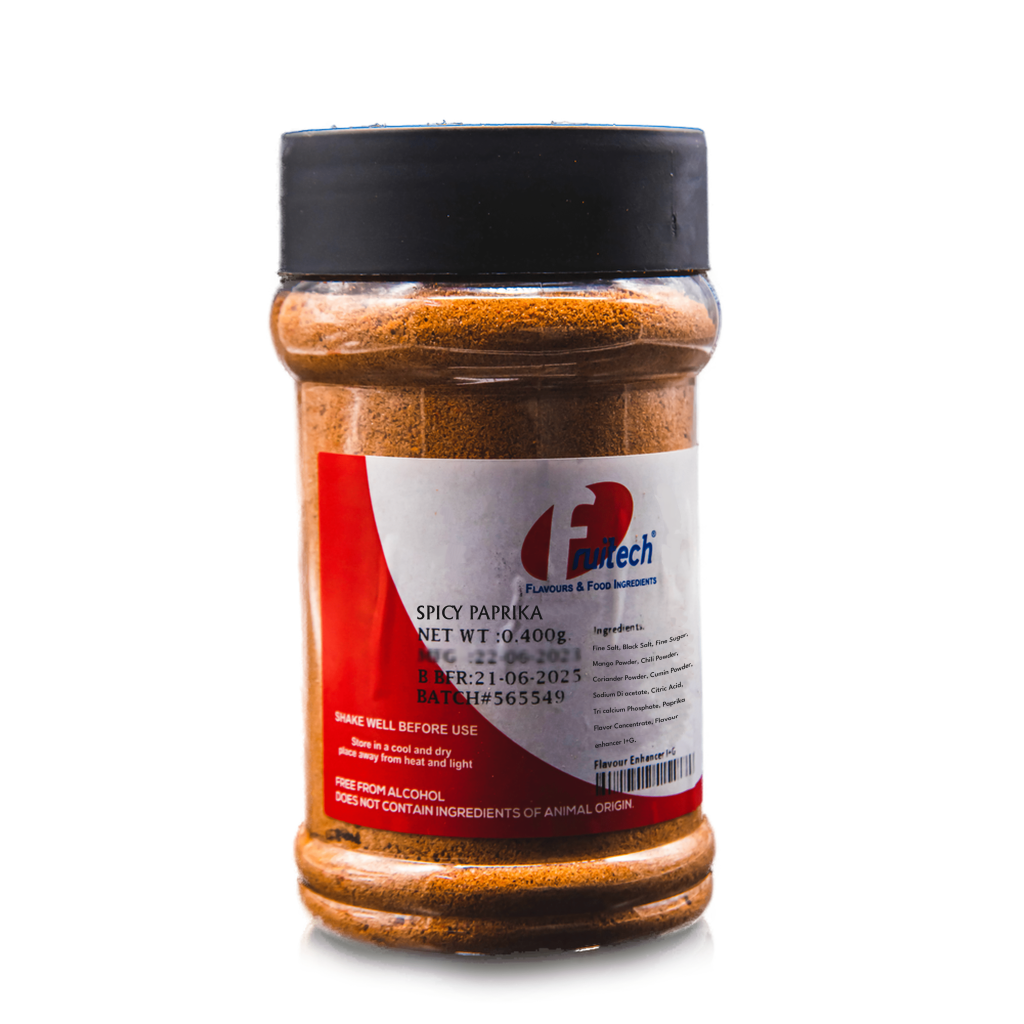
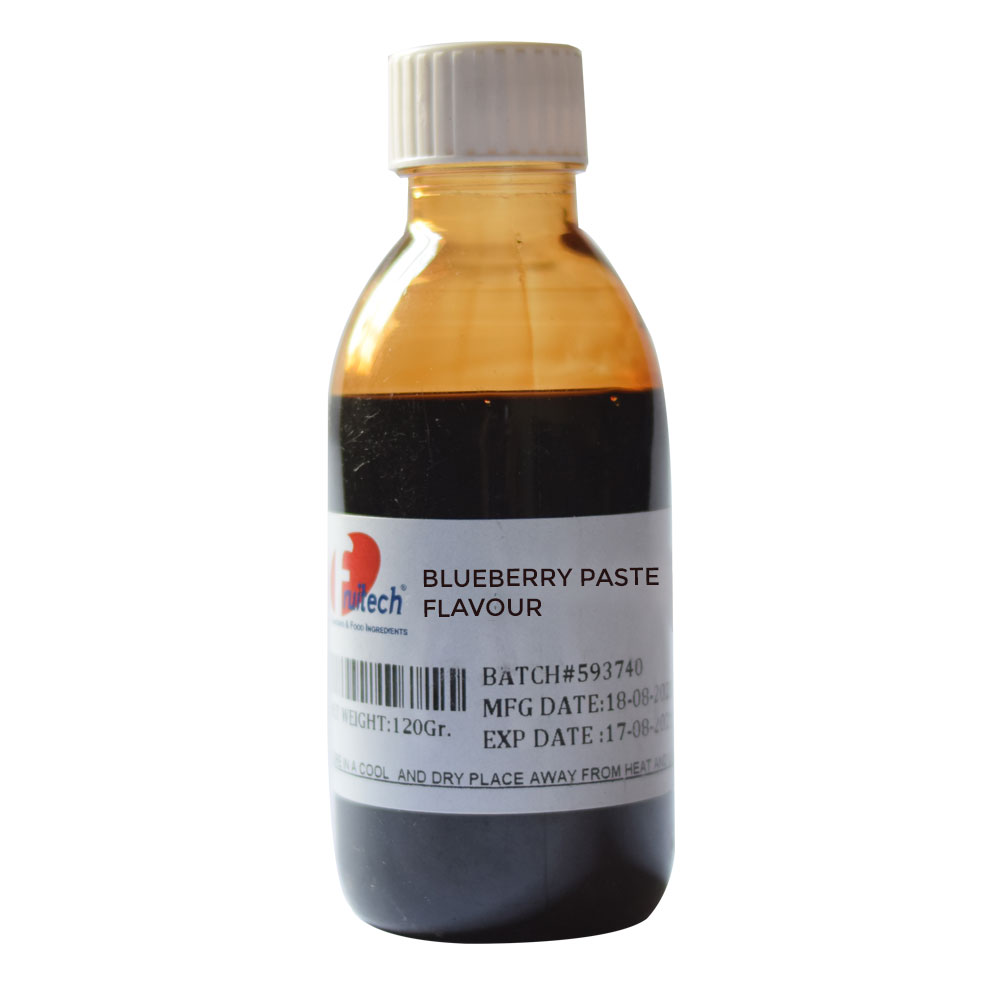
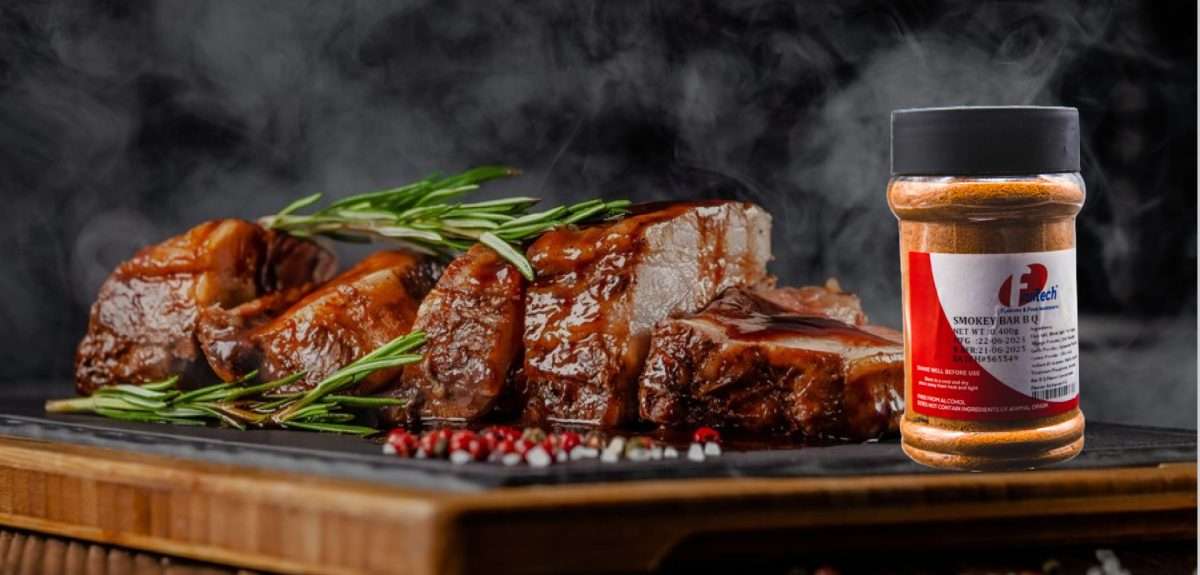
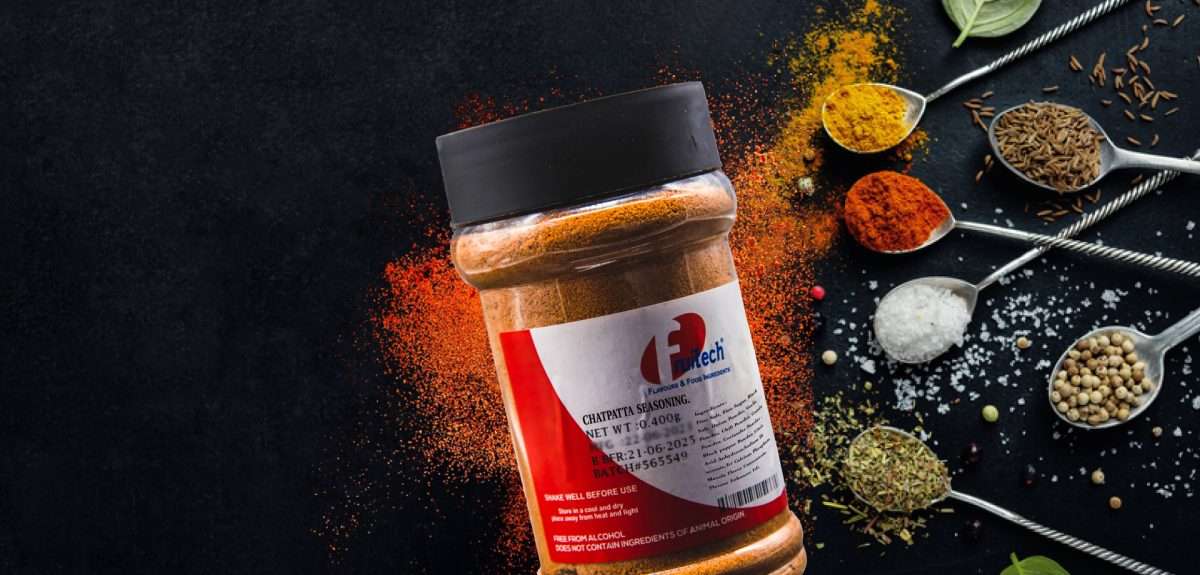
Make Use of Standardized Seasonings and Flavours
Using standardised flavor solutions will help the manufacturer maintain the required flavor while minimizing the variations caused by the natural ingredients.
Hatimi Flavours: Trustworthy Manufacturer of Flavours for Foods
Hatimi Flavours offers the best quality flavor and seasoning solutions for the food sector, where the company offers a range of products that will help clients enhance the taste, give the perfect aroma, and provide an overall attractiveness of their final products. With the help of specially designed flavoring and seasoning solutions from Hatimi Flavors, manufacturers in the food sector can improve flavor development and achieve consistency of their products.
FAQs
What is the Importance of flavour consistency in food production?
Consistent flavour helps manufacturers meet consumer expectations, maintain product quality, and build trust in their brand.
Where can I find best quality spices?
Hatimi Flavours offers the best quality spices and other food flavours. They use standardized recipes, accurate measurements, quality-controlled ingredients, consistent processing methods, and regular product testing.
Conclusion
Importance of flavour consistency in food production is a vital component for manufacturing success. Fluctuations may result from variations in the ingredients used, manufacturing process, measurement errors, and storage. Through standardization and implementation of quality controls as well as effective flavorings, manufacturers will be able to cut down on these fluctuations.